Urethral & Reconstructive Surgery
Advanced Care for
Advanced Care for
Urethral Problems
Specialist evaluation and reconstructive surgical solutions for urethral strictures, narrowing, injury and other urethral conditions.
Book Your AppointmentAccurate
Assessment
Assessment
Advanced Surgical
Techniques
Techniques
Better Urinary
Flow
Flow
Personalised
Treatment Plan
Treatment Plan
UnderstandingWhat are
What are
Urethral Conditions?
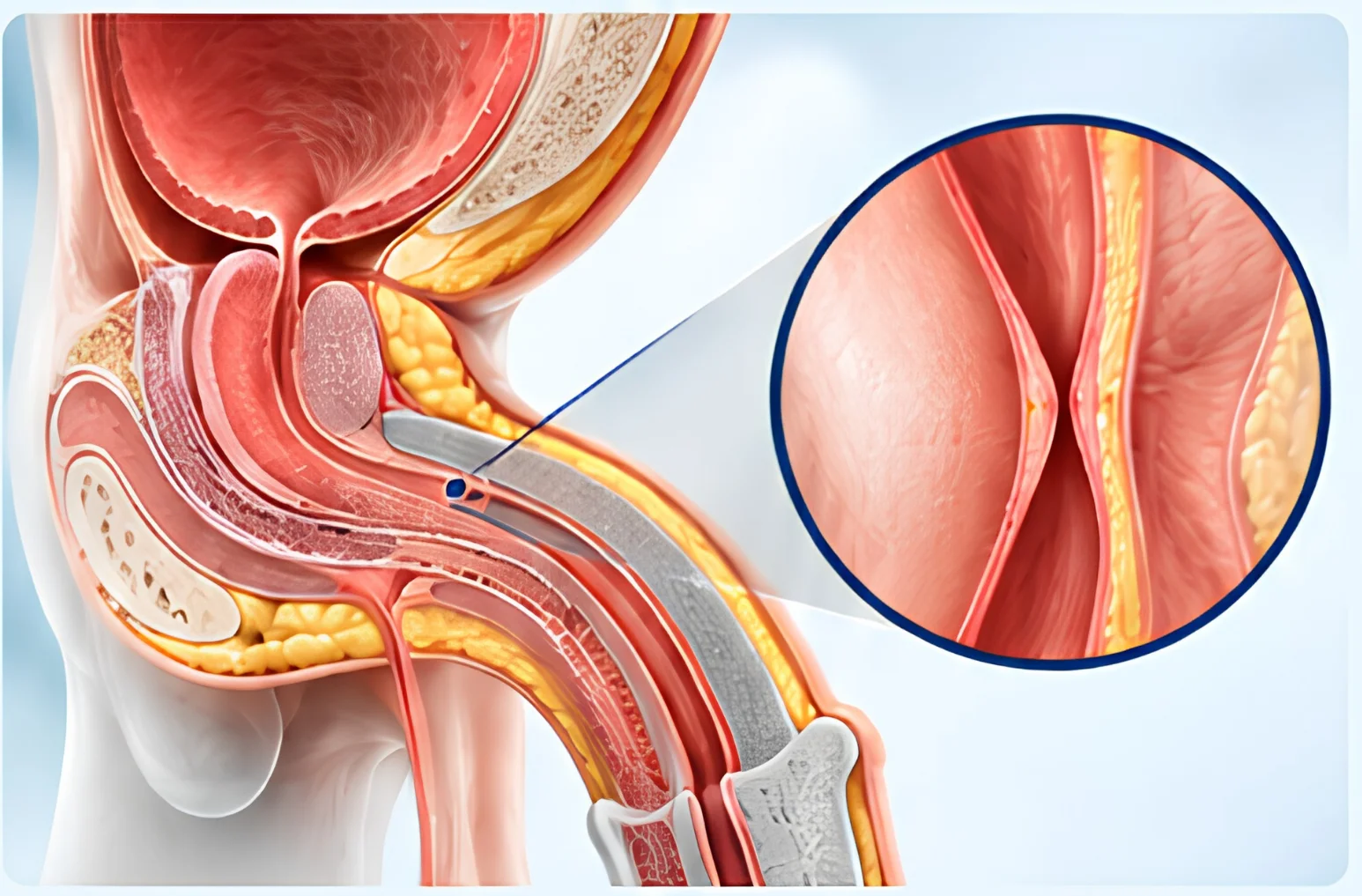
The urethra is the tube that carries urine from the bladder out of the body. Urethral problems can occur due to narrowing (stricture), injury, infection or congenital conditions. These conditions can affect urine flow and may cause discomfort or difficulty in urination. A proper evaluation helps identify the exact cause and determine the most appropriate treatment, which may include reconstructive surgery in some cases.
Common Symptoms
Urethral conditions may cause a range of urinary symptoms, including:
- Weak or slow urine flow
- Urine spraying or split stream
- Difficulty starting urination
- Burning or pain during urination
- Urine spraying or split stream
- Blood in the urine (in some cases)
- Feeling of incomplete bladder emptying
- Blood in the urine (in some cases)
Diagnosis & Evaluation

Imaging Tests

Cystoscopy
How Urethral Problems Are Diagnosed
A detailed evaluation helps identify the cause, location and severity of the urethral problem.
The recommended tests depend on your symptoms and medical history.
Medical History
Urine Tests
Imaging Tests
(UGR / RGU)
Cystoscopy
(if needed)
What to Expect During Treatment
Your care plan depends on the procedure and your individual needs.
Before Treatment
- Medical assessment and test results
- Discuss treatment options
During Procedure
- Procedure-specific approach
- Anaesthesia depends on the procedure
After Treatment
- Follow recovery instructions
- Manage temporary discomfort
Follow-up Care
- Monitor urine flow and recovery
- Regular follow-up as advised
Frequently Asked Questions
Your Questions Answered
Urethral stricture can be associated with scar tissue after injury, infection, previous procedures, or may have no clearly identified cause.
Urethroplasty is reconstructive surgery to repair a narrowed or damaged section of the urethra.
Symptoms may include weak or slow urine flow, difficulty starting urination, spraying or split stream, burning, frequent urination, or a feeling of incomplete emptying.
Recovery depends on the procedure performed and individual circumstances. Your urologist will provide instructions for your specific treatment and recovery.
Assessment may include a medical history, examination, urine tests, imaging such as UGR/RGU, and cystoscopy when needed.
Urine flow may improve when the underlying narrowing is successfully treated, but outcomes depend on the cause and severity of the condition.
Urethral dilatation widens a narrowed section of the urethra using a medical dilator or suitable instrument.
See a urologist if you have persistent weak flow, difficulty starting or completing urination, recurrent urinary infections, pain, or other ongoing urinary symptoms.
Need guidance about urethral problems?
Consult a urologist to understand your condition and the most suitable treatment option.